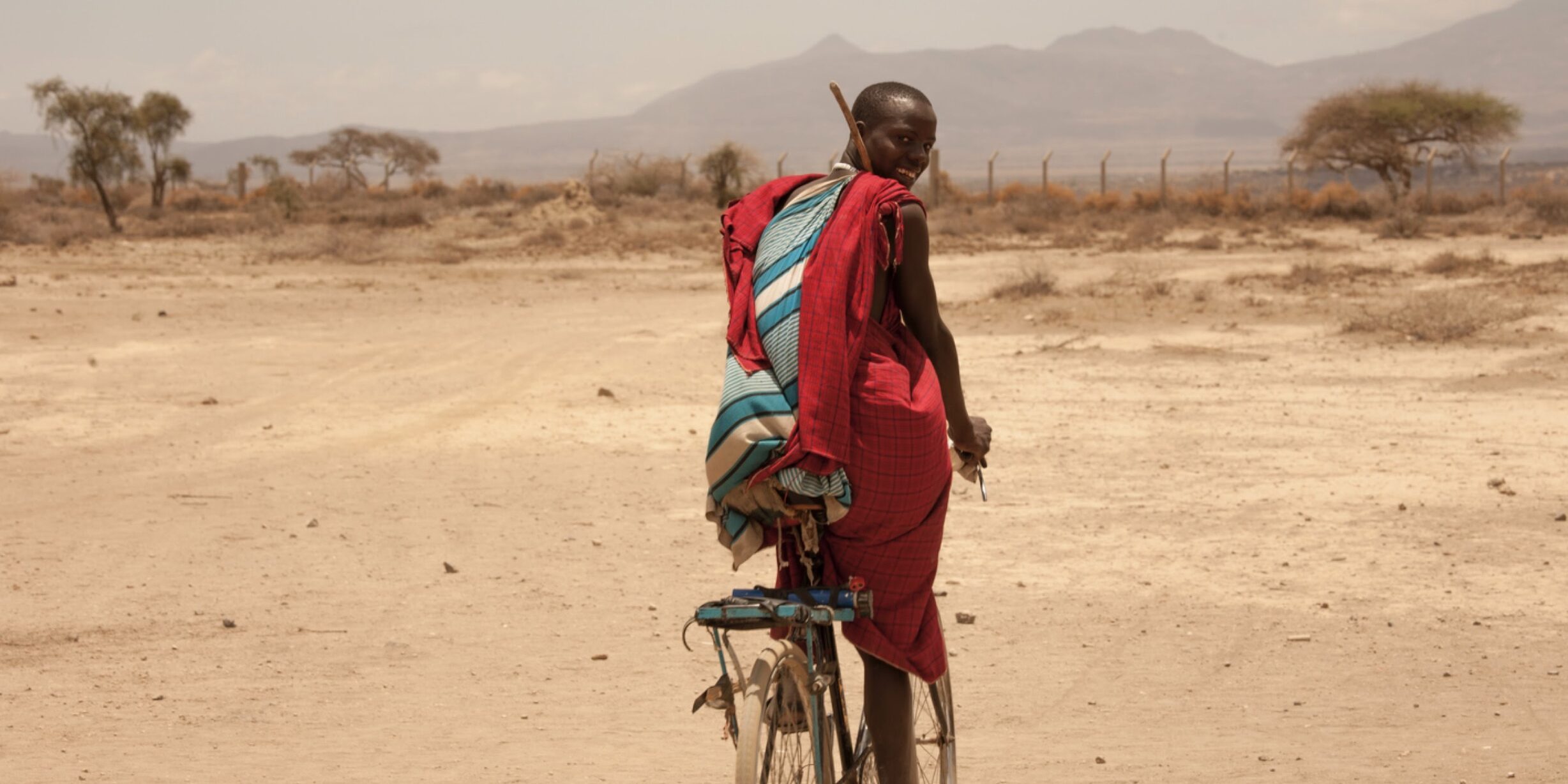
There once was a man named Wilfred on the road from Mkwese to Manyoni. He encountered a boy who had fallen off his bicycle and broken his arm. When Wilfred spoke to the boy, the child responded in his mother tongue, making communication difficult. Thankfully, a bilingual passerby intervened. They learned that the boy was on his way to the hospital as he had a cut on his head that was bleeding and needed stitches. The bicycle he was using had no brakes, so on the downhill, he lost control and crashed. Wilfred asked why the boy was going to the hospital alone, and the child explained that he worked for someone and did not live with his parents.
In questioning the boy, they discovered that he was working under very poor conditions, taking care of cattle without shoes, and his feet were covered in thorns. Wilfred took the child to the hospital for treatment. Afterward, he went to the village elders and insisted that they were responsible for preventing such mistreatment. He also tracked down the boy’s parents, who were unaware of their child’s situation, and brought him home. Now, perhaps the child can experience his parents’ love again and have the opportunity to go to school.
This story struck me. It reminded me of Jesus’ story of the good Samaritan. But Wilfred was the first one who stopped – he didn’t cross the road, he didn’t hurry away. I am so often astounded at the capacity of our friends in Africa to love well. To intervene. To go the extra mile.
Wilfred had attended Loom’s training. He understood the circles of protection that God places around each child – first the family, then the extended family, then the faith community, and the broader village. Beyond that, we go into the state, national, and international governments, and, finally, the global church. The places of real power are the first four circles, starting with the family. Much development work focuses on high-level strategies in the outer circles, but if the local community knows its capabilities and can engage, real change happens.
Wilfred alerted local leaders, who called in the man abusing this child. He had to make right before them or go to court. Local leaders all had children back on their radar. So a child goes home, abuse stops, and the child realizes that he is not alone. All because a man on the road from Mkwese to Manyoni stopped and showed mercy.
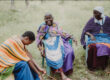
Much of our work focuses on local communities. Equipping local people who are good neighbors. Rural communities lack access to the information available in cities, but so do the urban poor living in crowded slums. Internet access is very limited. But all over East Africa are tiny churches where followers of Jesus gather. As they learn about God’s intentions for a child, how the brain works, and the importance of education, how to overcome the impact of trauma, health care, and how to oversee a project, they start pre-schools and run basic health clinics. They engage with abandoned children and stop little girls from getting married off between the ages of 9 and 11. The strategy is simple, but the power and wonder of local people being good neighbors bring lasting change.