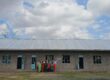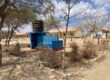
The process of building in Africa takes many forms. All my life, I have seen buildings at many stages of construction, stretching over years. I remember visiting a project we have tracked in Engikaret, Tanzania, in 2016. This project started as a preschool, then added grades, a basic clinic, and a cow project for sustainability. Today, a full-fledged school with over 700 pupils exists, along with a well-equipped clinic that includes a maternity section, a laboratory, and a general primary health care section.
When one visits now, it is hard to remember the couple of dusty classrooms, the staff living in clinic rooms, and how tough life was without water or electricity. I remember standing with a group outside a half-finished staff housing building. A young German man in our group blurted out, “Why do you start building when you don’t have the funds to finish it?” The German gifts of planning, saving, and execution stood starkly in contrast to the African approach to strategy and planning. The late John Mukolwe simply smiled and said, “In Africa, if we wait till we have everything, we would start nothing.”
This belief is how to achieve progress in economically poor places. Every year, you do a little, you keep working with what you have. In visiting villages, you will often see foundations laid out, maybe walls a third of the way up, as people still live in a mud hut next to it. It is the combination of a savings account and fighting for a better future for your children. It reminds me of a drawn-out Lent, the liminal space of waiting.
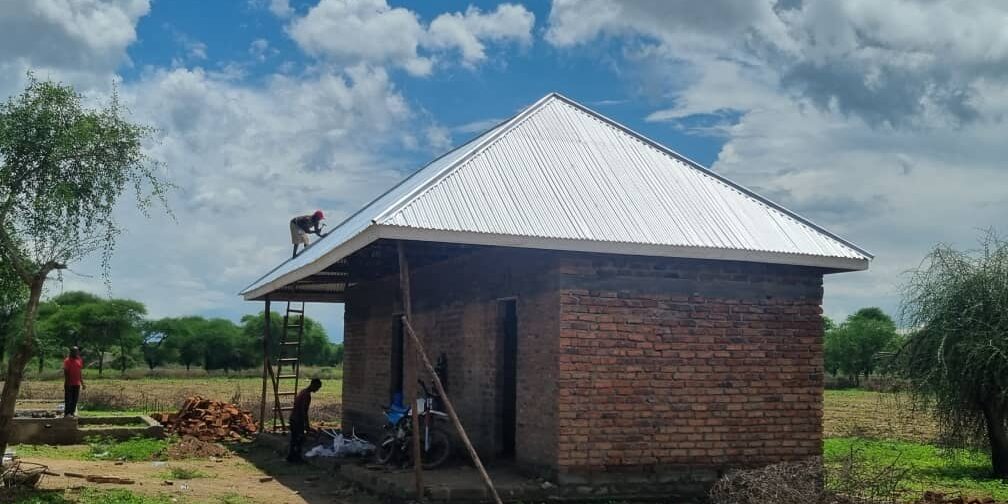
However, over the last two weeks, I have been receiving photos of a house under construction. Photos of wood trusses, corrugated iron sheets, and late-night deliveries of material. A group of friends who recently visited Tanzania wanted to finish building a house for a lady. We wait for these pictures with delight.
I carry mixed feelings about the one house. One woman. What about all the other widows, the other mamas who live in falling-down huts? How do you choose this one? What about justice?
My thoughts go in two directions. One is the old starfish story – hundreds are washed up on the beach. It is impossible to get them all back in the water – yet we throw one back and note that we made a difference for that one!
But beyond that, I think about Jesus speaking about Elijah and the widow. There were many widows – probably many Romans with sick servants, ill mothers-in-law, and hungry crowds. Was Zacchaeus the only guy to have climbed a tree?
There is precedent for the “One”. To take one action is possible.
So, I am switching my thinking about the “One”. How do you get to many without starting with “One”? I’m committing to like “Ones”. What if we saw “One” as the start of a mighty movement? What if we saw “One” as a new start, not a hopeless act of religious resignation? How do you get to many without starting with one? I‘m becoming excited about the “Ones”. Excited each time people get generous. Excited every time someone gives and changes a life. Through our acts of generosity, our lives are changed and reset.
Soon we will drive past that place where the new house is. It won’t stand out. No one will know the stories of people who one day really saw a woman, a woman named Christina, who offered them tea under a tree and shared life. No one will know what made the ladies from Oklahoma decide to sacrifice and finish a house for a stranger. But at that moment God’s way of abundance shone. The world will know you are my disciples by how you love one another.